
Introduction
A coffee sample roaster plays a crucial role in the specialty coffee industry, enabling roasters, producers, and traders to test small batches of green beans before committing to large-scale production. Unlike commercial roasters, which focus on bulk roasting, sample roasters emphasize precision and control. They allow professionals to evaluate coffee quality, flavor notes, and roast profiles. This ensures consistency across supply chains and helps businesses select the best beans. Without a sample roaster, it is nearly impossible to maintain accuracy in coffee sourcing and production.
The Importance of Coffee Sample Roasters in the Industry
The coffee sample roaster is more than just a piece of equipment—it is an essential tool for quality assurance. By roasting small batches, professionals can evaluate how different origins, processing methods, and roast levels affect flavor. This process supports informed decisions when purchasing coffee and helps maintain high standards for cafés, roasteries, and distributors. With global competition in specialty coffee increasing, sample roasting has become an industry standard for cupping sessions, quality grading, and maintaining customer satisfaction across every roast batch.
How Coffee Sample Roasters Work
A coffee sample roaster operates using the same principles as larger roasting machines but on a smaller scale. Green beans are placed in a drum, where controlled heat, airflow, and time transform them into roasted coffee. Operators can adjust parameters such as temperature curves and batch duration, giving precise control over roast profiles. This control is vital for identifying how beans respond to different roasting conditions. The results provide valuable insight into cup quality, which directly informs large-batch roasting decisions, ensuring both consistency and excellence in production.
Types of Coffee Sample Roasters Available
When choosing a coffee sample roaster, it’s important to consider different models available on the market. Some are designed for small labs with manual controls, while others feature advanced digital interfaces for precise adjustments. Common types include drum roasters, hot-air roasters, and hybrid systems. Drum roasters replicate the environment of commercial roasting machines, offering reliable insights. Hot-air systems, on the other hand, provide speed and clarity in flavor profiling. The choice depends on business needs, but all types ensure professionals can test, evaluate, and perfect coffee before scaling production.
Benefits of Using a Coffee Sample Roaster
A coffee sample roaster offers multiple advantages for businesses. First, it helps in quality control, ensuring only the best beans move forward in the production cycle. Second, it enables flavor development testing, allowing roasters to design unique roast profiles. Third, it reduces financial risks, as small batches prevent waste of large amounts of coffee during experimentation. Finally, it strengthens customer trust, as roasters can consistently deliver high-quality coffee. With these benefits, a sample roaster becomes a valuable investment for any professional coffee operation.
Coffee Sample Roaster vs. Commercial Roaster
Although both machines share the same goal of roasting coffee, a coffee sample roaster and a commercial roaster serve different functions. A commercial roaster is designed for bulk production, typically handling batches from 5kg to 120kg or more. In contrast, a sample roaster usually processes between 50g and 500g at a time. This smaller scale allows for precise experimentation and quality testing. Businesses use sample roasters to design flavor profiles and ensure consistency before scaling recipes in commercial roasters, bridging the gap between testing and mass production.
Role of Coffee Sample Roasters in Cupping Sessions
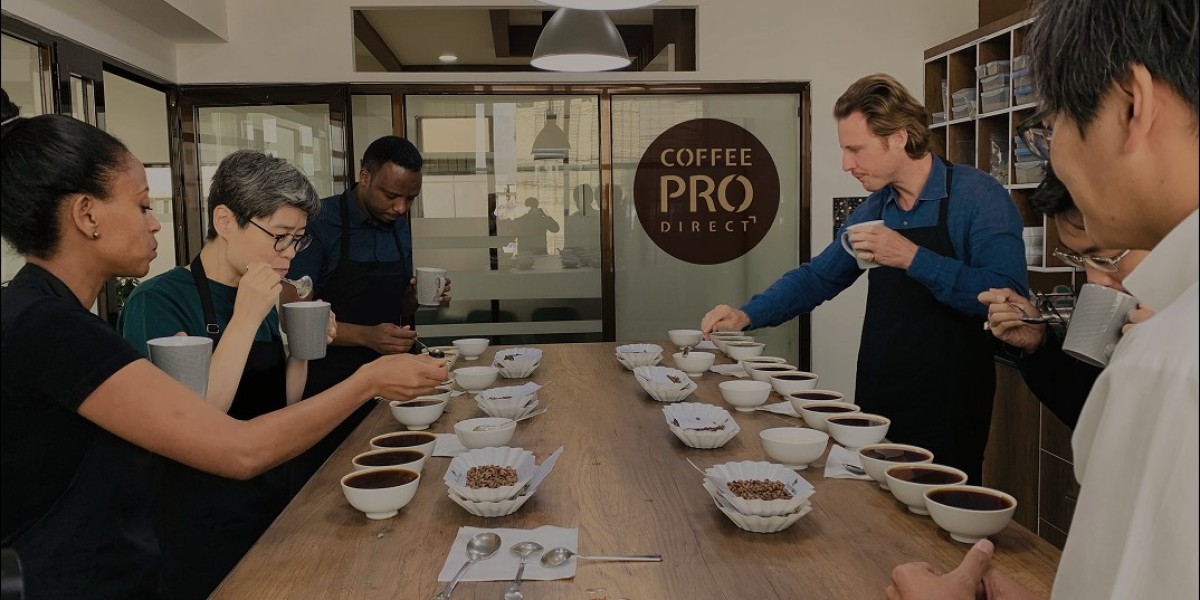
In professional cupping, accuracy and consistency are essential. A coffee sample roaster ensures that small batches of green beans are roasted under controlled conditions, highlighting the beans’ true potential. This enables cuppers, buyers, and roasters to evaluate attributes such as aroma, acidity, sweetness, body, and aftertaste. Without a reliable sample roaster, variations in roasting could overshadow the natural qualities of the beans. Thus, sample roasters are indispensable in cupping labs, ensuring objective evaluations that guide purchasing and roasting decisions for specialty coffee businesses.
Choosing the Right Coffee Sample Roaster for Your Business
Selecting the right coffee sample roaster depends on your business size, budget, and goals. For small labs or startup roasteries, a compact model with manual controls may suffice. Larger operations often require advanced systems with data logging, multiple sample capacity, and digital temperature controls. It is also essential to consider energy efficiency, durability, and manufacturer support. By aligning your choice with your long-term vision, you ensure that the roaster remains an asset to your business, supporting growth, innovation, and consistent coffee quality.
Maintenance Tips for Coffee Sample Roasters
Proper maintenance ensures that a coffee sample roaster delivers accurate and reliable results. Regular cleaning of the roasting drum, chaff collection system, and exhaust is crucial to prevent residue buildup that can affect flavor. Checking thermocouples, airflow systems, and electrical components ensures long-term efficiency. Manufacturers often recommend periodic inspections and servicing, which help extend equipment lifespan. By investing time in maintenance, roasters can guarantee consistent performance, minimize downtime, and ensure that every batch roasted reflects the true quality of the green coffee beans.
Training and Skill Development for Using Sample Roasters
Owning a coffee sample roaster is only part of the equation—developing skills to operate it effectively is equally important. Professional training allows roasters to understand how variables like time, airflow, and heat influence bean development. With hands-on practice, roasters learn to interpret sensory feedback, translating roast profiles into consistent flavors. Many manufacturers and specialty coffee organizations offer training courses. By combining the right equipment with the right expertise, businesses can achieve high standards in quality control and deliver exceptional coffee experiences to their customers.
Coffee Sample Roaster Applications in Specialty Coffee Labs
A coffee sample roaster is central to any specialty coffee laboratory. It allows labs to conduct rigorous testing, experiment with roast profiles, and ensure quality grading standards. These roasters support scientific evaluation by offering precision control that highlights unique bean characteristics. From origin assessment to pre-purchase evaluations, sample roasting provides the foundation for fair pricing and transparent trade. Labs across the world depend on these machines to maintain consistency and trust in the specialty coffee supply chain, ensuring that every batch meets professional expectations.
Location:
At 21st Floor, CMA Building, 64 Connaught Road Central, Hong Kong, professionals and businesses can explore advanced coffee solutions, including the latest coffee sample roaster technology. This location serves as a hub for high-quality roasting equipment, lab tools, and professional consultation. Whether you are a small café, an established roastery, or a quality control lab, you will find tailored solutions to meet your needs. With expertise and equipment designed for excellence, this hub empowers coffee businesses to achieve precision, consistency, and success in every roast.
Why Coffee Sample Roasters Are a Smart Investment
Investing in a coffee sample roaster goes beyond equipment—it’s an investment in consistency, quality, and brand reputation. Businesses that adopt sample roasting improve their ability to test beans, refine flavor profiles, and reduce production risks. This results in better customer experiences and stronger long-term relationships. In an increasingly competitive industry, a sample roaster provides a significant advantage, enabling businesses to innovate while maintaining quality. Ultimately, it empowers roasters to meet consumer expectations and build a reputation for excellence in the global coffee market.
Future Trends in Coffee Sample Roasters
The future of the coffee sample roaster industry is marked by innovation and technology. Digital integration, data logging, and AI-driven roasting software are becoming standard features. These advancements allow professionals to track, analyze, and replicate roast curves with unmatched precision. Additionally, energy-efficient models and sustainable manufacturing practices are gaining popularity, aligning with global environmental goals. As specialty coffee continues to grow, sample roasters will evolve further, providing greater control and insights to roasters, buyers, and producers across the international coffee supply chain.
FAQs
1. What is a coffee sample roaster used for?
A coffee sample roaster is used to roast small batches of green beans for testing quality, flavor, and roast profiles before scaling up to larger production.
2. What batch size can a coffee sample roaster handle?
Most sample roasters handle between 50g and 500g per batch, depending on the model, making them ideal for labs and small-scale quality testing.
3. How does a coffee sample roaster differ from a commercial roaster?
A sample roaster is designed for testing and precision in small quantities, while commercial roasters focus on high-volume production.
4. Do I need training to use a coffee sample roaster?
Yes, training ensures you understand how heat, airflow, and time influence roast development, helping you achieve consistent results.