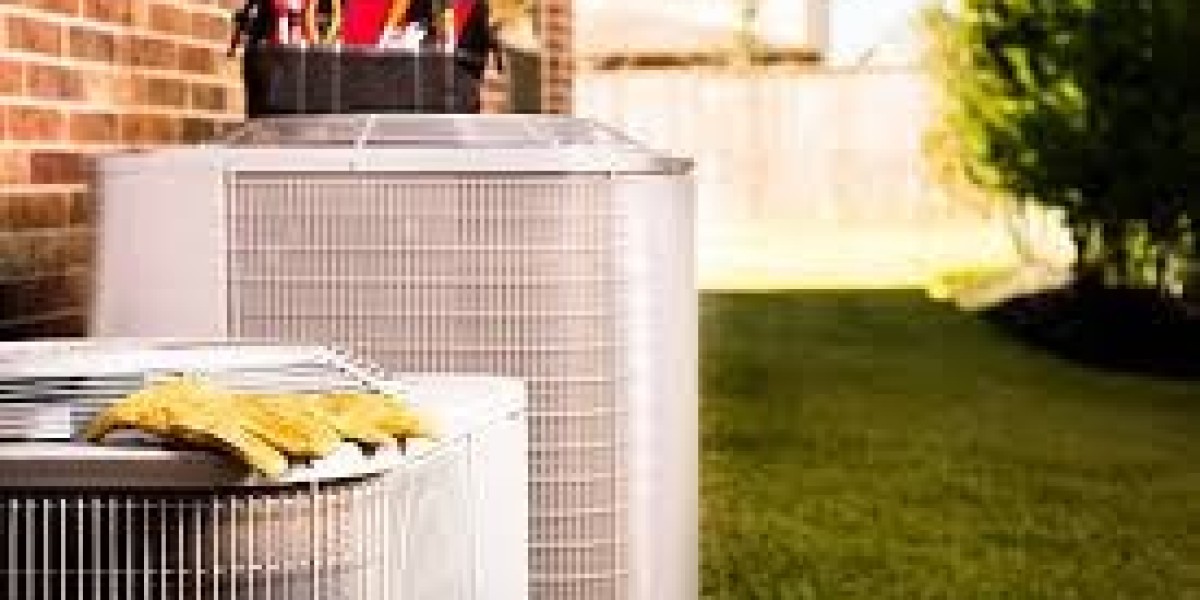

Choosing the best ac in pakistan becomes easier when understanding modern climate technologies. How Climate Solution Systems Improve Energy Efficiency 2026 highlights advanced cooling and sustainability trends. Climate solution systems focus on reducing electricity consumption while maintaining indoor comfort. These systems use smart automation and eco-friendly components to improve overall performance. Energy-efficient cooling systems help households and businesses reduce electricity expenses. Best ac in Pakistan’s rising temperatures increase demand for advanced climate control solutions. Customers now prefer cooling systems offering reliability and long-term savings. Technological improvements allow air conditioners to deliver better cooling using less power.
Importance of Selecting the Right Cooling System
Selecting the best ac in pakistan ensures effective cooling and long-term financial benefits. How Climate Solution Systems Improve Energy Efficiency 2026 explains modern cooling selection strategies. A proper cooling system maintains indoor comfort without excessive energy consumption. Energy-efficient systems also reduce environmental pollution and carbon emissions. Modern systems include smart sensors and automatic temperature control features. Selecting the right cooling system prevents frequent maintenance costs and system breakdowns. Customers should consider room size, insulation, and cooling capacity before purchasing. Correct installation improves efficiency and enhances system performance.
Understanding Climate Solution Systems
What Are Climate Solution Systems
Climate solution systems refer to advanced heating and cooling technologies designed for energy efficiency. These systems combine automation, smart controls, and improved airflow management. Modern climate solutions maintain stable temperatures using minimal electricity consumption. They improve indoor air quality through advanced filtration and humidity control features.
Key Components of Climate Solution Systems
Climate systems include inverter compressors, smart thermostats, and eco-friendly refrigerants. Inverter compressors adjust cooling speed according to temperature requirements. Smart thermostats monitor indoor conditions and automatically adjust cooling settings. Eco-friendly refrigerants reduce environmental damage and support sustainability goals.
Features of Energy Efficient Air Conditioners
Inverter Technology
Inverter technology controls compressor speed to maintain consistent cooling performance. It reduces energy waste and improves overall efficiency. Inverter air conditioners operate quietly and deliver uniform cooling performance. They provide longer lifespan compared to conventional air conditioning systems.
Smart Temperature Control
Smart temperature control automatically adjusts cooling based on environmental conditions. It reduces unnecessary power consumption and maintains comfortable indoor temperatures. Users can control smart AC systems using mobile applications and voice commands. These systems provide convenience and better energy management solutions.
Eco-Friendly Refrigerants
Eco-friendly refrigerants reduce environmental pollution and support global climate sustainability. These refrigerants provide efficient cooling without harming atmospheric ozone layers. Modern air conditioners use refrigerants complying with international environmental safety standards.
Benefits of Using Advanced Climate Solutions
Reduced Electricity Bills
Energy-efficient cooling systems significantly lower electricity consumption and utility expenses. They provide maximum cooling using minimal electrical energy. Households and businesses benefit from reduced monthly operational costs.
Improved Indoor Air Quality
Advanced climate solutions include filters removing dust, bacteria, and airborne pollutants. These filters improve respiratory health and enhance indoor comfort levels. Clean air improves productivity in offices and comfort in residential environments.
Enhanced Comfort and Performance
Modern climate systems maintain consistent cooling regardless of external temperature changes. They prevent sudden temperature fluctuations and maintain comfortable living environments. Improved airflow ensures even cooling throughout indoor spaces.
How Smart Technology Improves Cooling Efficiency
Automated Climate Monitoring
Smart sensors continuously monitor temperature, humidity, and airflow levels. They automatically adjust cooling intensity based on environmental changes. Automated monitoring improves efficiency and reduces unnecessary energy consumption.
Remote Control and Smart Connectivity
Smart air conditioners allow remote control through mobile devices and digital assistants. Users can adjust temperature settings without physical interaction. Remote monitoring helps manage cooling efficiency during absence from indoor environments.
Predictive Maintenance Technology
Predictive maintenance identifies technical issues before major system failures occur. It reduces repair expenses and extends system lifespan. Regular monitoring improves system performance and energy efficiency.
Factors to Consider When Buying Air Conditioners
Cooling Capacity and Room Size
Cooling capacity must match room size for effective performance. Undersized units struggle to maintain cooling performance and consume excessive electricity. Oversized units increase installation costs and waste energy resources.
Energy Efficiency Ratings
Customers should review energy efficiency ratings before purchasing cooling systems. Higher ratings indicate improved performance and reduced electricity consumption. Energy ratings help customers select cost-effective cooling solutions.
Installation Quality
Professional installation ensures proper airflow and cooling system performance. Incorrect installation reduces efficiency and increases maintenance requirements. Customers should hire experienced technicians for installation services.
Popular Air Conditioner Types in Pakistan
Split Air Conditioners
Split air conditioners are widely used in residential and commercial environments. They provide quiet operation and efficient cooling performance. These systems offer advanced features including inverter technology and smart controls.
Window Air Conditioners
Window air conditioners are cost-effective and easy to install. They provide suitable cooling solutions for smaller indoor spaces. These systems require less maintenance compared to complex cooling systems.
Portable Air Conditioners
Portable air conditioners offer flexible cooling solutions for temporary usage. They allow easy movement between different indoor locations. Portable systems require minimal installation and provide convenient cooling options.
Role of Climate Solutions in Environmental Sustainability
Reduction of Carbon Emissions
Energy-efficient climate systems reduce electricity consumption and environmental pollution. They help decrease carbon emissions and support global climate protection goals. Sustainable cooling solutions promote environmentally responsible energy consumption.
Use of Renewable Energy Integration
Modern climate systems support renewable energy integration including solar-powered cooling solutions. Renewable energy reduces dependency on fossil fuels and electricity consumption. Solar-powered air conditioning systems provide sustainable cooling performance.
Future Trends in Climate Solution Systems
Artificial Intelligence Integration
Artificial intelligence improves cooling performance through automated learning and predictive adjustments. AI technology analyzes environmental patterns and adjusts cooling requirements accordingly. Smart automation improves efficiency and enhances indoor comfort levels.
Advanced Smart Home Integration
Climate solutions integrate with smart home systems for automated energy management. Smart home integration allows centralized cooling control and monitoring. It improves convenience and enhances energy-saving capabilities.
Sustainable Cooling Innovations
Future cooling systems focus on eco-friendly refrigerants and energy-efficient compressor technologies. Innovations improve cooling performance while reducing environmental impact. Sustainable solutions support long-term environmental protection goals.
Maintenance Tips for Efficient Air Conditioner Performance
Regular Cleaning of Filters
Dirty filters reduce airflow and increase electricity consumption. Cleaning filters regularly improves cooling performance and indoor air quality. Regular cleaning prevents dust accumulation and system malfunction.
Scheduled Professional Servicing
Professional servicing identifies hidden technical issues and ensures system efficiency. Regular servicing extends air conditioner lifespan and improves performance. Experts recommend servicing air conditioners at least twice annually.
Proper Temperature Settings
Maintaining moderate temperature settings improves efficiency and reduces electricity usage. Extremely low temperatures increase compressor workload and electricity consumption. Optimal settings maintain comfort while saving energy.
Frequently Asked Questions (FAQs)
What is the best AC type for homes in Pakistan?
Split inverter air conditioners provide efficient cooling and energy savings for residential environments.
How does inverter technology save electricity?
Inverter technology adjusts compressor speed according to temperature requirements, reducing unnecessary power consumption.
How often should air conditioners be serviced?
Air conditioners should receive professional servicing at least twice annually for optimal performance.
Do smart air conditioners improve efficiency?
Yes, smart air conditioners adjust cooling automatically, reducing energy waste and improving convenience.
What temperature setting saves electricity?
Maintaining temperatures between 24 to 26 degrees Celsius improves efficiency and reduces electricity consumption.
Are eco-friendly refrigerants safe?
Eco-friendly refrigerants reduce environmental damage and comply with international safety standards.