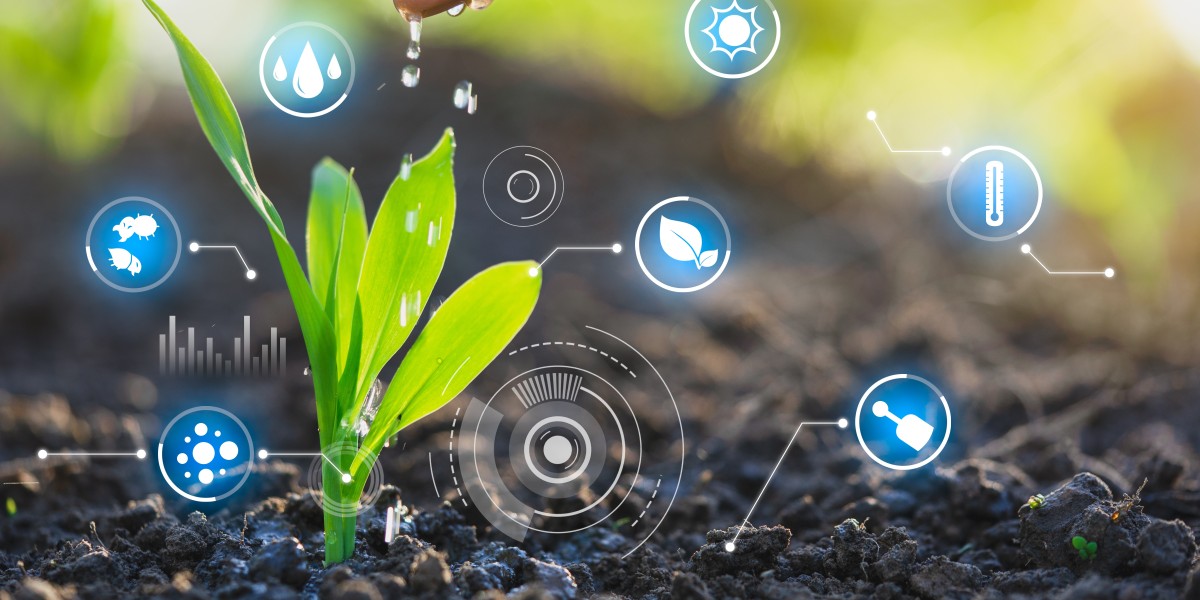

The global water sector is undergoing a critical and technology-driven transformation, moving from a reactive, industrial-era model to a proactive, data-centric approach to resource management. A detailed market analysis of the smart water management market reveals a sector experiencing robust growth, driven by a convergence of powerful global pressures including increasing water scarcity, aging infrastructure, and stringent environmental regulations. Key points related to the smart water management market highlight its reliance on a suite of digital technologies—such as IoT sensors, smart meters, and data analytics platforms—to provide a real-time, holistic view of water distribution networks. Key players leading this transition include a mix of large industrial technology companies like SUEZ and Xylem, and specialized metering and software providers like Itron and Badger Meter. The future in the smart water management market is one of predictive analytics and autonomous network control. Regionally, North America and Europe are leading in the retrofitting of their aging infrastructure with these smart technologies, while the APAC region is the fastest-growing market, driven by massive new infrastructure projects and the urgent need to manage water resources for its vast and growing population.
The primary market drivers compelling this digital shift are both economic and environmental. A key point is the immense challenge of Non-Revenue Water (NRW)—water that is lost before it reaches the customer, primarily due to leaks in aging pipes. In many regions, NRW can account for 30-40% or more of all treated water, representing a massive financial loss for utilities and a tragic waste of a precious resource. Key players like Xylem and Mueller Water Products provide advanced leak detection solutions, using acoustic sensors and pressure management systems to pinpoint and mitigate these losses. Another major driver is the need for operational efficiency. The smart water management market size is projected to grow USD 31.42 Billion by 2035, exhibiting a CAGR of 5.14% during the forecast period 2025-2035. Smart water technologies, particularly smart metering, eliminate the need for manual meter reading, enable more accurate billing, and provide customers with the data they need to manage their own consumption. This is a major focus for utilities in North America and Europe looking to improve customer service and operational efficiency. The rising cost of energy also drives demand for smart solutions that can optimize the operation of energy-intensive water pumps, a key focus for key players providing advanced control systems.
The future in the smart water management market is pointed towards the creation of a fully integrated, intelligent "digital twin" of the entire water network. A key point for the future is this move from simple monitoring to predictive and prescriptive analytics. By building a high-fidelity virtual model of the distribution network and feeding it with real-time data from sensors, utilities can simulate different scenarios, predict where pipe bursts are most likely to occur, and optimize the flow of water throughout the system in real-time. Key players like SUEZ and enterprise software companies are investing heavily in the AI and machine learning platforms required to enable this vision. The future will also see greater integration with broader smart city initiatives, where water management data is combined with data from other city services to create a more holistic and sustainable urban environment. This trend is gaining traction globally, with pioneering projects in Europe and APAC, and growing interest from large municipalities in North America and the resource-conscious nations of the MEA and South America.
In summary, the key points related to the smart water management market highlight its critical role in addressing global water challenges through digital technology. The market is being shaped by key players from the industrial technology and metering sectors who are providing the essential hardware and software. The future in the smart water management market is an intelligent, predictive, and autonomous system, centered around the concept of a digital twin. This global transformation is being led by the mature markets of North America and Europe, with the fastest growth occurring in the rapidly developing regions of APAC, and with a growing sense of urgency for adoption in the water-scarce regions of the MEA and parts of South America. The move towards intelligent water management is no longer an option, but a global necessity.
Top Trending Reports -
Canada Centralised Workstations Industry