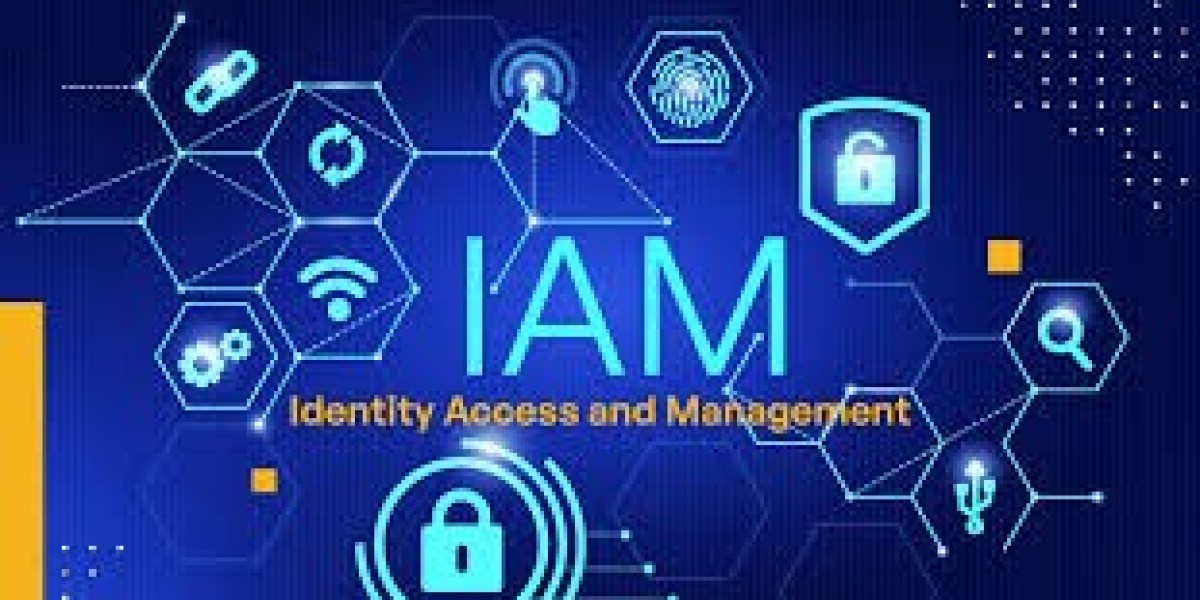

Modern Identity and Access Management is the control plane for digital trust, determining who can access what, from where, and under which conditions. As organizations adopt cloud services, remote work, and SaaS applications, identities become the new perimeter. IAM systems manage authentication, authorization, and user lifecycle processes so access remains secure and auditable. Core functions include single sign-on, multi-factor authentication, privileged access controls, directory services, and identity governance. These capabilities reduce password risk, improve user experience, and support compliance. IAM also supports least-privilege access, reducing blast radius when accounts are compromised. Modern IAM must handle employees, contractors, partners, and customers across multiple devices and networks. It must also integrate with applications, APIs, and infrastructure tools that require secure machine-to-machine identity. As threats grow and environments become more distributed, IAM becomes foundational security infrastructure.
IAM capabilities typically span identity administration, access management, and governance. Access management includes SSO, federation, adaptive MFA, and conditional access based on risk signals like device health or location. Identity governance focuses on role management, access reviews, segregation of duties, and audit reporting. Provisioning and deprovisioning workflows ensure users receive the right access quickly and lose it when they leave, reducing orphaned accounts. Privileged access management secures high-risk admin accounts through vaulting, session recording, and just-in-time access. Many organizations also adopt customer IAM to manage consumer logins and consent. Integration with HR systems and ITSM workflows improves automation and accountability. Modern IAM increasingly supports APIs and service identities as applications become microservice-based. Data quality and role design are critical; poorly defined roles create excess access and compliance risk. Successful IAM programs invest in policy, process, and adoption, not only tools, because identity security is as much governance as technology.
Security and usability must be balanced. Strong MFA improves protection but can frustrate users if poorly designed. Adaptive authentication reduces friction by applying stronger checks only when risk is higher. Passwordless approaches, such as biometrics or hardware keys, can improve both security and experience. However, implementation requires device compatibility, recovery mechanisms, and user training. IAM must also address privacy requirements, especially in consumer contexts where consent and data handling rules vary. Zero trust architectures rely heavily on IAM, using identity and posture signals to control access dynamically. Logging and monitoring integration is essential; IAM events feed SIEM and SOC workflows for threat detection. Attackers often target identity through phishing, credential stuffing, and token theft, so IAM solutions must defend beyond simple passwords. Organizations that treat IAM as a continuous program—reviewing policies, monitoring access, and improving controls—achieve stronger resilience.
Looking ahead, IAM will continue evolving toward passwordless, continuous risk-based access, and unified identity governance across cloud and on-prem. Identity will increasingly include devices, workloads, and API clients, expanding beyond human users. AI may help detect anomalous access patterns and automate access review prioritization, though transparency and control remain critical. Regulatory pressure will increase demand for auditability, least privilege, and strong identity proofing. As organizations integrate more SaaS and APIs, standard protocols and integration tooling will remain important. The future of IAM is about making secure access simple: seamless for legitimate users, difficult for attackers, and fully traceable for compliance. In a world where identity is the primary attack surface, mature IAM becomes a core business enabler, supporting secure growth and digital transformation.
Top Trending Reports: