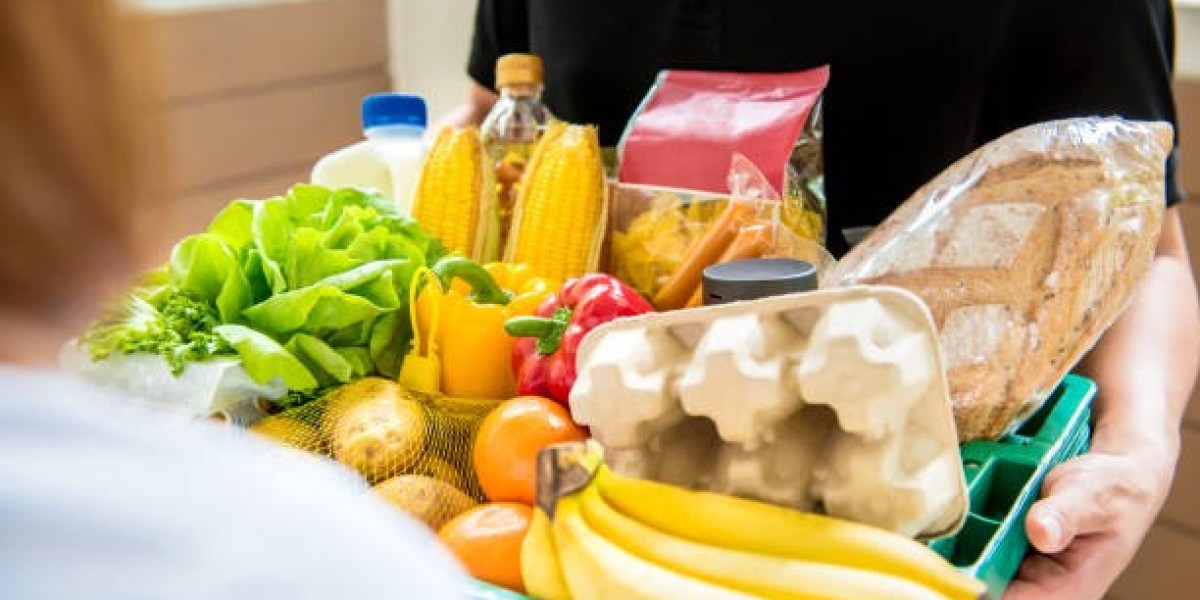

The Online Grocery Market Size was valued at 220.4 USD Billion in 2024, and it is forecasted to grow from 241.3 USD Billion in 2025 to 600 USD Billion by 2035, achieving a CAGR of 9.5% during the forecast period. The surge in digital grocery shopping reflects changing lifestyles, where consumers increasingly prefer convenience, safety, and personalized experiences over traditional store visits. Online grocery platforms are no longer a luxury—they have become a necessity in modern urban life.
Unlike traditional shopping, e-grocery delivery services allow customers to plan their weekly meals, purchase fresh produce, and schedule doorstep deliveries with precision. Shoppers are no longer bound by store hours or geographic limitations. Features like smart search filters, nutritional insights, and AI-based product recommendations have made online supermarket solutions intuitive and user-friendly. The ability to compare prices, track previous purchases, and choose organic or specialty items adds a layer of personalization previously unavailable in physical stores.
What sets digital grocery platforms apart is their ability to reduce stress and save time. Consumers juggling professional and personal responsibilities increasingly turn to online solutions for convenience. The option to receive groceries within hours, customize delivery slots, and avoid crowded spaces has accelerated adoption globally. Many platforms have introduced subscription models and automated replenishment for essentials like dairy, grains, and household items, ensuring that e-grocery delivery services are integrated into daily routines seamlessly.
Technological innovation underpins this growth. AI-powered demand forecasting, automated warehouses, and predictive logistics are optimizing supply chains, ensuring fresh produce reaches consumers efficiently. Contactless delivery options, real-time tracking, and interactive apps further enhance the online supermarket solutions experience. In addition, platforms now offer eco-friendly packaging, sustainable sourcing, and cold-chain management, addressing both consumer expectations and environmental concerns.
Geographically, North America and Europe dominate due to high digital penetration and established logistics infrastructure. However, Asia-Pacific is emerging as a growth hub. Rising smartphone adoption, expanding urban populations, and tech-savvy middle-class consumers have created enormous potential for digital grocery shopping. Localized delivery models and hyper-local warehouse networks are enabling faster, more reliable service across cities and smaller towns alike.
The future of online grocery platforms lies in personalization and integration with emerging technologies. Voice-activated ordering, AR-assisted product selection, and AI-driven shopping assistants are redefining convenience. Retailers are also exploring virtual store experiences, enabling consumers to navigate digital aisles as if in a physical store. These innovations will make e-grocery delivery services even more immersive and adaptive to user needs.
Table of Contents
- Executive Summary
- Market Introduction
- Market Dynamics
- Market Segmentation
- Regional Analysis
- Competitive Landscape
- Future Outlook
FAQs
Which macro and industry-specific trends can vendors capitalize on to gain competitive advantage?
Vendors can capitalize on sustainability trends, shifting consumer preferences, digital adoption, and regulatory developments.
How do current vendor value propositions compare across the competitive landscape?
Vendor value propositions differ based on pricing, product quality, innovation, brand strength, and distribution reach
Which geographies offer the most attractive market expansion opportunities?
Regions with strong demand growth, supportive regulations, and expanding consumer bases present the best opportunities
Discover More Research Reports by Market Research Future: